What Europe Does Better — And What America Gets Right




A honest conversation from someone who has lived on both sides of the Atlantic.
I want to be very clear about something before you read a single word of this: this is not a competition. I am not here to declare a winner or convince you that one way of living is superior to the other. I have been fortunate enough to live deeply on both sides of the Atlantic — born in Puerto Rico, rooted in Austria and Venezuela, building a life on the Florida Gulf Coast — and what that has given me is not a verdict. It has given me a perspective.
Both Europe and America have things they do extraordinarily well. Both have things the other could learn from. And the older I get, the more I believe that the wisest way to live is to borrow from both — intentionally, gratefully, and without apology.
So here is my honest, lived-in comparison. Not from a textbook. Not from a vacation. From a life.
What Europe Does Better 🇪🇺
Work, Life, and the Space Between Them
In Europe, work-life balance is not a corporate buzzword printed on a wellness poster in a break room. It is a deeply held cultural value. Family comes first. Rest is not a reward for productivity — it is a right. Evenings belong to the dinner table, weekends belong to nature, and summers belong to the people you love. The idea of skipping a vacation because the office needs you would strike most Europeans as not only unnecessary but genuinely sad.
Food as a Daily Act of Intention
Every meal in Europe is curated to satisfy the palate. This is not about luxury — it is about standard. The health department across much of Europe is deeply involved in regulating the quality of what people eat daily, from farm to table. The result is that you can sit down at a McDonald’s in Austria and be served a Big Mac made with locally farm-raised beef, pair it with a regional beer, and finish with a local pastry and a proper espresso. The same chain, an entirely different product.
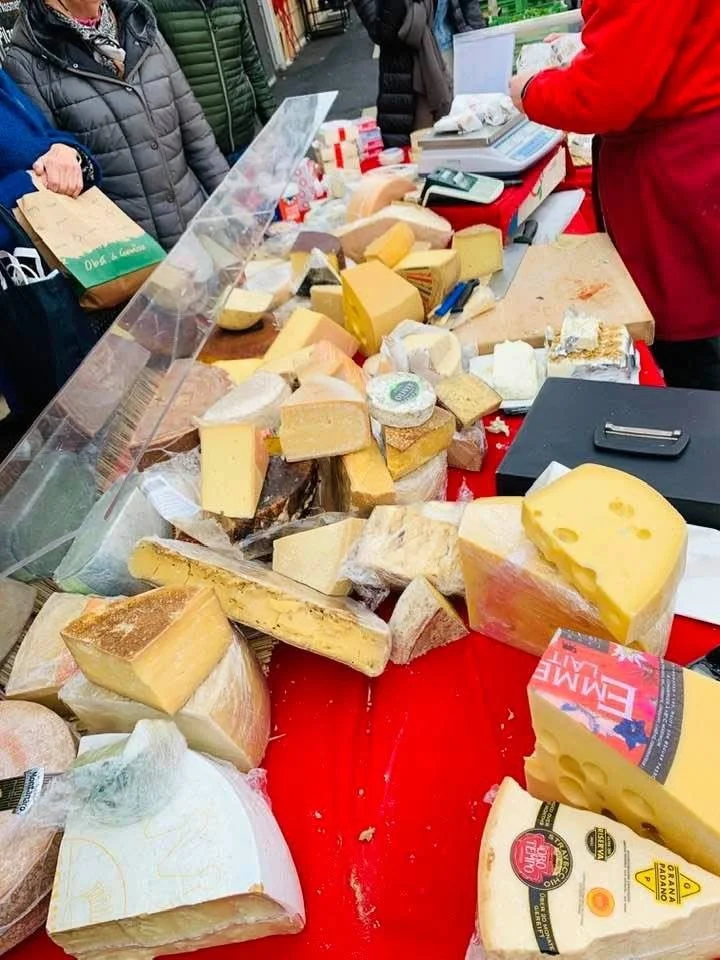
Farmers’ markets happen several times a week, giving local farms the opportunity to bring the freshest possible products directly to the community. And when you miss the market, the local grocery store picks up where it left off — stocked with regional produce, locally sourced meats and cheeses, and staples from neighboring countries. Restaurant menus change with the seasons to highlight the latest harvests. Eating locally is not a trend. It is simply the way things are done.
A Healthier Relationship With Wine and Beer
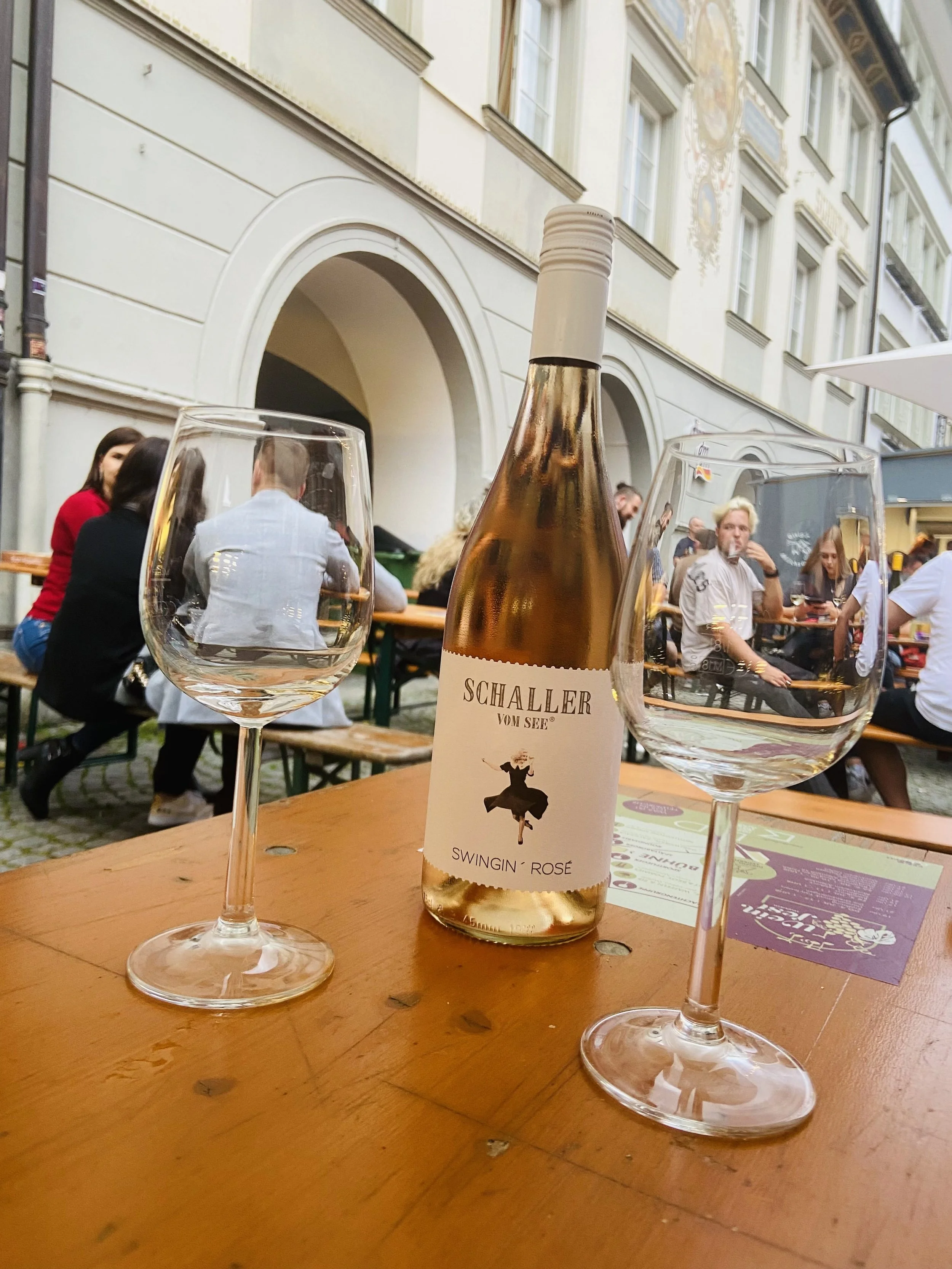
Beer and wine in Europe are affordable, abundant, and woven into daily life — and the more local to the region, the better the price. A glass of wine with lunch is not indulgence. It is culture. Young people are raised appreciating the art of a well-made beer or a regional wine, exposed to it gradually and in context rather than forbidden from it entirely. The result is a relationship with alcohol built on appreciation rather than obsession. Compare that to the binge-drinking culture that explodes among American college students the moment they turn twenty-one, and the difference becomes painfully clear.
Movement Is Built Into Life
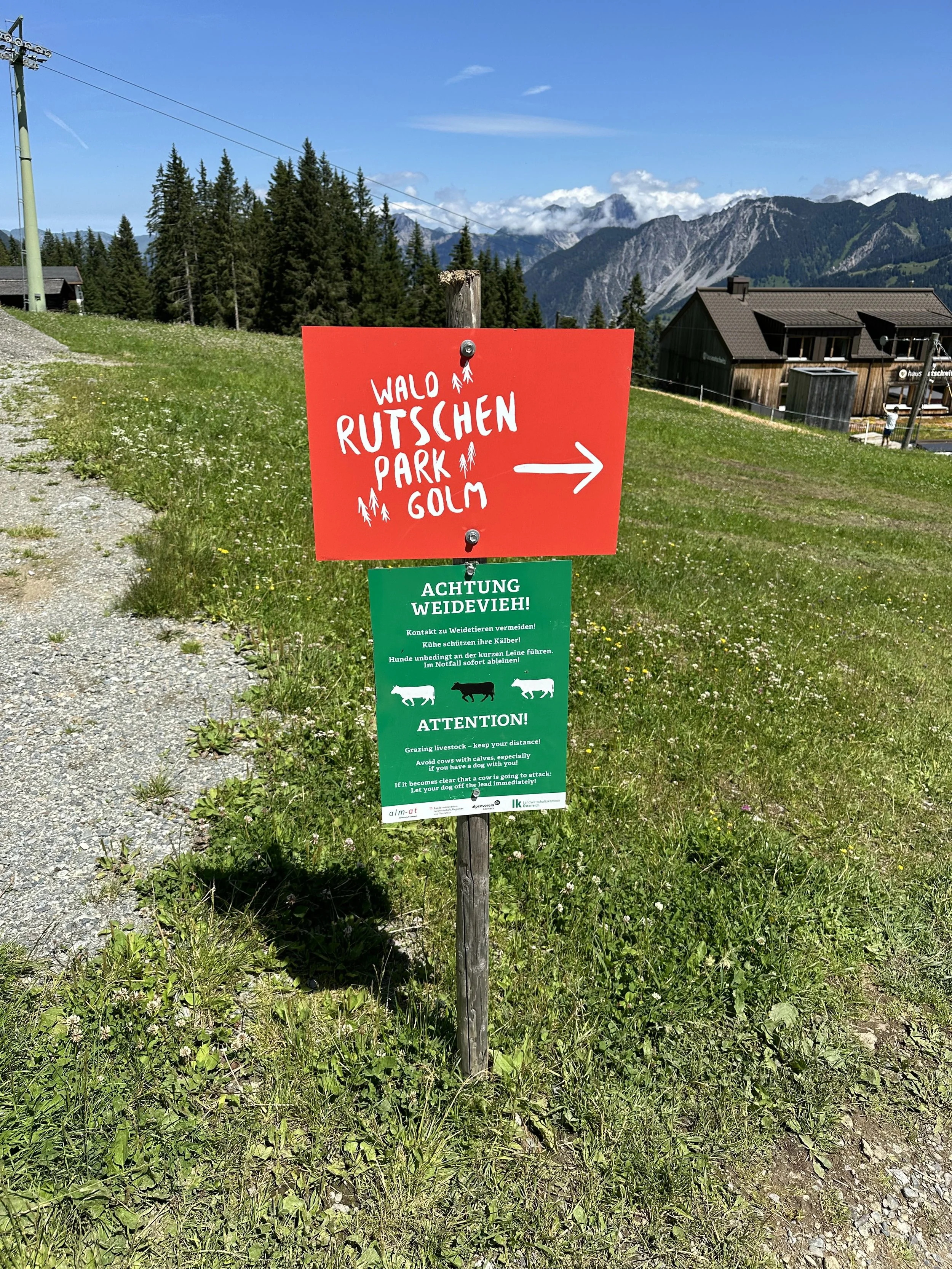
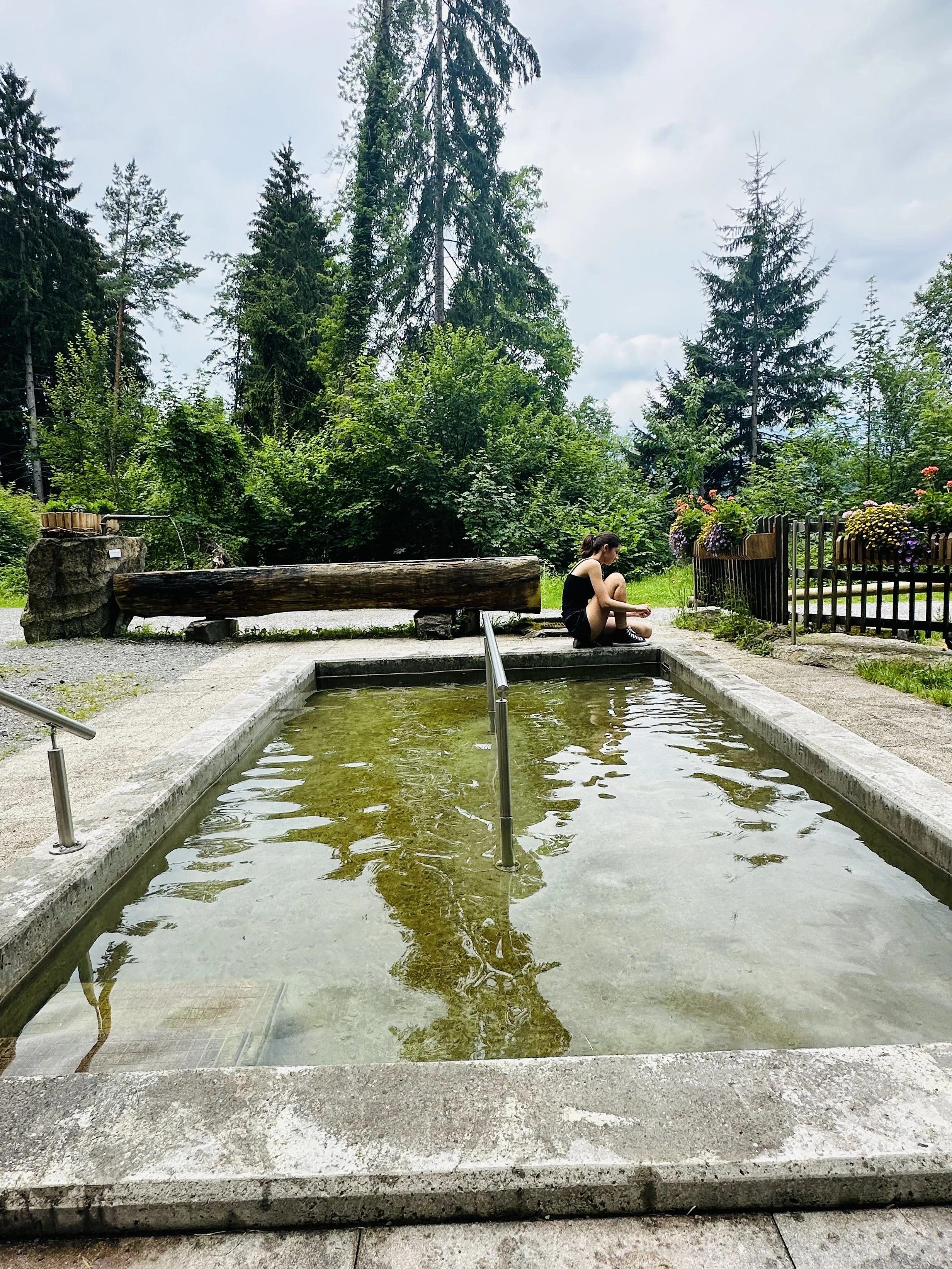
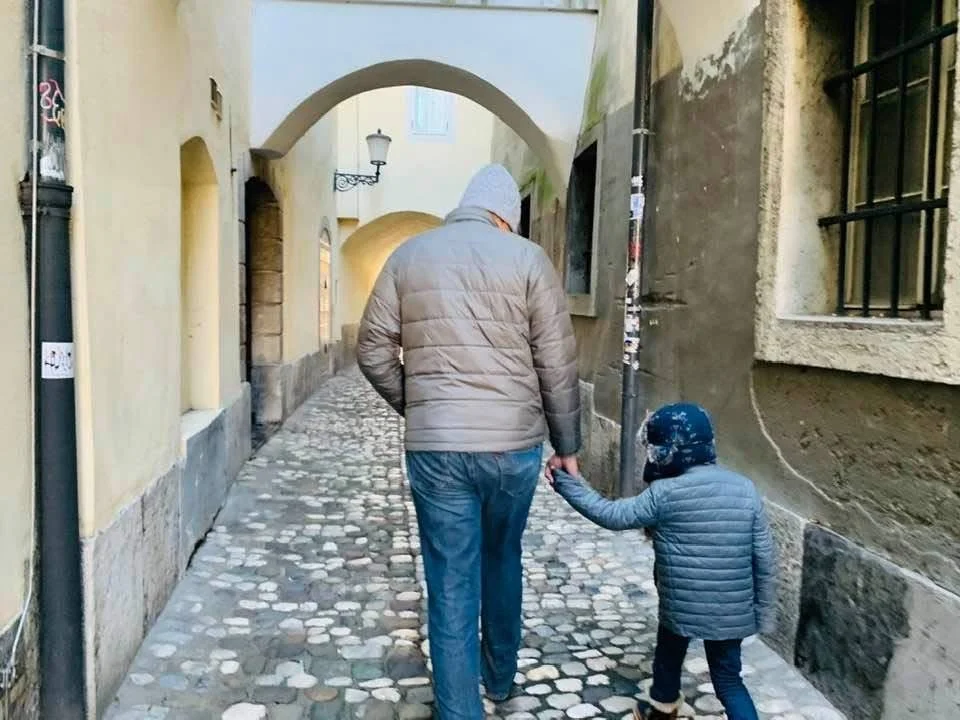
You will not find rows of oversized gyms competing for memberships along every main street in a European town. You do not need them. The city itself is the gym. Public transportation is prioritized and incentivized, which means people walk more, bike more, and sit in cars far less. Hiking happens year-round. Swimming in lakes, paragliding, picnics in the park, outdoor sports of every kind — nature is not a weekend escape. It is part of ordinary life.
Community, Conservation, and the Art of Less
European towns do not depend entirely on tourism because the locals are their best and most loyal customers. There is a sense of community ownership — of pride in what is local, what is seasonal, what is theirs. Water and electricity conservation are collective habits, not political statements. And the wardrobes reflect this same philosophy: you will not commonly find walk-in closets overflowing with hundreds of pieces of clothing. What you will find instead are carefully curated selections — simple colors, season-appropriate cuts, a few well-chosen investment pieces that project quiet, understated sophistication. Less is more is not a design principle. It is a way of being.
What America Gets Right 🇺🇸
The Freedom to Simply Be Yourself
America gives you permission to show up exactly as you are. Dressed up or dressed down, formal or casual, quiet or loud — you can be yourself at all times without needing to explain or apologize for it. There is a cultural openness here, a live-and-let-live generosity of spirit, that is genuinely rare in the world. It is one of the things I appreciate most deeply about this country and one I never want to take for granted.
Affordability and Accessibility
The affordability of groceries in America — whether through government assistance programs or the sheer diversity of businesses competing to offer products at lower costs — is something Europe struggles to match at scale. Walmart, Target, Costco, and their counterparts exist because they serve a real need. The one-stop shop and the bulk-buying warehouse are not signs of excess. For millions of families, they are a lifeline.
Sports, Arts, and the American School System
The way American schools invest in sports, arts, and academics — and the scholarship pathways they create — is something genuinely remarkable. A kid with extraordinary talent on the basketball court or in the orchestra pit or in the science lab has a real, structured opportunity to pursue that passion and have it fund their education. This kind of institutional investment in young people’s potential is something Europe has not yet replicated with the same scale or accessibility.
World-Class Medicine
As the wife of a physician, I say this with full confidence: American medicine is among the most advanced in the world. The research, the technology, the specialization, the speed of innovation — when it comes to complex diagnosis and cutting-edge treatment, the United States sets the global standard. The access issues are real and worth addressing. But the quality of care at its best is unmatched.
The Freedom to Build Something
Time is money — and in America, that concept is not a criticism. It is an invitation. The ability to work hard, take risks, and build financial independence on your own terms is deeply embedded in American culture. The entrepreneurial spirit here is electric. You are never too young, too old, or too unlikely to start something. That energy is contagious and genuinely powerful.
The Most Diverse Food Scene on Earth
America is the world’s most extraordinary culinary melting pot. On any given day in any mid-sized American city, you can eat your way through Asia, the Mediterranean, Latin America, and the American South — all before dinner. And at every price point imaginable. The diversity of the American food scene is a direct reflection of the diversity of its people, and it is one of the things that makes this country endlessly fascinating to live in.
The View From the Middle
Living between cultures has taught me that the goal was never to choose a side. The goal is to be a thoughtful observer — to take what serves you, to appreciate what you cannot replicate, and to build a life that borrows the best from every table you have ever sat at.
I walk to the farmers’ market on Saturday morning because Europe taught me to. I drive my oversized American SUV to Costco on Sunday because this country made it possible. I drink a glass of wine with dinner because my Austrian family showed me how. And I eat tacos, sushi, and barbecue in the same week because only America could give me that.
That is not contradiction. That is a global perspective.
